

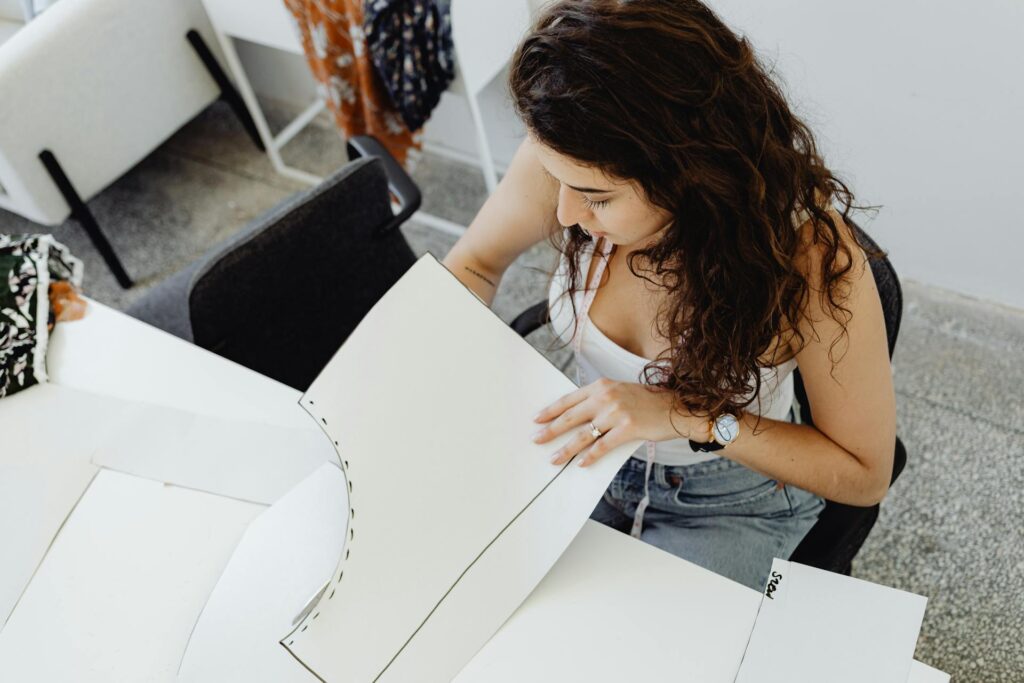
If you’ve ever opened a fresh sewing pattern with excitement only to end up scratching your head halfway through, you’re not alone. Sewing patterns are fantastic guides, but they often assume you already know more than you do.
Between cryptic instructions, vague diagrams, and skipped details, beginners (and even experienced sewists) can find themselves frustrated and second-guessing every step.
The truth is, patterns are designed to give you the framework—not the full story. There are plenty of “unwritten rules” and hidden details that only come with practice, experience, or insider tips. To save you hours of confusion (and possibly a few ruined yards of fabric), I’ve rounded up the top 10 things sewing patterns don’t tell you—but definitely should.
Sewing patterns provide the blueprint, but they often leave out the crucial “tribal knowledge” that turns a frustrating project into a successful one. Here are the top 10 things sewing patterns don’t tell you (but you desperately need to know).
10 Things Sewing Patterns Don’t Tell You (But You Need to Know)
1] The Pattern Lies About Fabric Amounts
What the pattern says: “2 yards of 45″ fabric.”
What they don’t tell you: This is the absolute minimum if everything is cut perfectly on-grain with no mistakes, and you’re using a fabric with no nap or directional print. If your fabric has a pattern that needs to be matched, a pile (like velvet), or you make a single cutting error, you’ll be short.
If you’ve ever wanted to sew beautiful projects without frustration, this is your chance! With Sewing Pattern Secrets, you’ll enjoy easy step-by-step guides, time-saving hacks, and access to patterns that inspire creativity. Whether you want to sew for yourself, your family, or even to sell, the possibilities are endless. Take the first step – Click here to join now and start sewing with confidence!
What you need to know: Always buy extra fabric. For large prints, add ¼ to ½ yard. For napped fabrics like corduroy or velvet, the pattern envelope will usually specify to buy more—listen to it! It’s better to have a scrap than to have to piece together a crucial pattern piece.
2] “Ease” is Not Your Ease
What the pattern says: “Finished Garment Measurements” in small print on the pattern envelope.
What they don’t tell you: Commercial patterns include “wearing ease” (extra room for movement) and often “design ease” (the stylistic looseness of the garment). The measurements on the envelope are your body measurements, not the size of the finished garment. You might be shocked by how big the finished item is.
What you need to know: Check the finished garment measurements printed on the physical pattern tissue. This is the most reliable way to know how something will actually fit. Compare it to a garment you already own and love.
3] Your First Version Should Be a “Muslin”
What the pattern says: Nothing.
What they don’t tell you: You should never cut into your expensive, beautiful fashion fabric first. The fit on the model is not the fit you will get. You need to test the pattern for size, fit, and style on your unique body.
What you need to know: Make a test version, called a “muslin” or “toile,” from cheap fabric. Use old bedsheets, muslin, or bargain-bin fabric. This allows you to make all your fitting mistakes, adjustments, and alterations before you touch your good material. It saves money, time, and heartache.
4] Pressing is 50% of Sewing
What the pattern says: “Press seam allowance open” or “press toward the dark fabric.”
What they don’t tell you: Pressing is not the same as ironing. It’s a precise, up-and-down motion with a hot iron (often with steam) that sets the stitches, molds the fabric, and creates crisp, professional edges. Skipping this step or doing it poorly will make your project look painfully homemade.
What you need to know: Press every single seam after you sew it. Invest in a good iron and a tailor’s ham and seam roll. This one habit will improve the quality of your sewing more than any other skill.
Unlock your creativity and start sewing like a pro with Sewing Pattern Secrets – the ultimate collection of step-by-step patterns and expert tutorials that make sewing fun, easy, and stress-free! Whether you’re a beginner or an experienced sewer, you’ll discover time-saving techniques and gorgeous designs that bring your projects to life. Don’t wait to turn your passion into stunning creations – Click here to get instant access to Sewing Pattern Secrets today!
5] The Seam Allowance is a Suggestion (Until It’s Not)
What the pattern says: “5/8″ seam allowance included.”
What they don’t tell you: While you must be consistent, that 5/8″ is not sacred for fitting. You can take a seam in deeper to make a garment smaller (a “full bust adjustment” often uses this principle). However, when joining two pieces, you must use the designated seam allowance, or they won’t match up correctly.
What you need to know: You can adjust the seam allowance for fit, but not for construction. Mark your sewing machine’s throat plate with tape at the 5/8″ line so you can sew accurate, consistent seams.
6] Pattern Sizes are Not Retail Sizes
What the pattern says: “Size 12”
What they don’t know: This is the biggest shock for beginners. A pattern “Size 12” is based on standardized drafting measurements and is closer to a ready-to-wear (RTW) size 6 or 8. You will likely need to cut a larger size than you expect.
What you need to know: Ignore the number on the envelope. Before you buy, take your accurate body measurements (bust, waist, hip) and use the pattern’s size chart (printed on the back of the envelope) to select your size. Pick your size based on your upper bust measurement for a better bodice fit.
7] Notions are a Trap
What the pattern says: “1 zipper, 3 buttons.”
What they don’t tell you: The notions listed are the bare minimum. They assume you have a perfect match from your stash for thread, a specific color of zipper, and that the buttons are a standard size you already own. It rarely accounts for interfacing, thread for basting, or special needles.
What you need to know: Read the notion list carefully and buy everything before you start. Don’t forget interfacing for collars, cuffs, and facings! Get a matching zipper longer than called for—you can shorten it. Buy extra thread.
Sew faster, easier, and better with step-by-step patterns – Click here to get instant access!
8] The Instructions are the One Way, Not the Only Way
What the pattern says: A 15-step process for setting in a sleeve.
What they don’t tell you: The instructions are written for the broadest possible audience and often use methods that are easier to explain than they are to execute beautifully. There are almost always faster, easier, or more professional techniques (like flat-construction for sleeves).
What you need to know: The pattern is a guide, not the gospel. As you gain experience, you’ll learn alternative methods you prefer. Don’t be afraid to deviate if you know a better way to achieve the same result.
9] Clipping, Notching, and Grading are Non-Negotiable
What the pattern says: “Clip curve,” “grade seam,” or “notch convex curve” in a single, easy-to-miss step.
What they don’t tell you: These are not optional “finishing touches.” They are fundamental construction techniques that allow curves to lie flat, corners to be sharp, and bulky seams to be reduced. Skipping them will result in puckering, pulling, and a lumpy interior.
What you need to know: Don’t skip the little steps. Take the time to clip into the seam allowance on inner curves and cut V-notches out of outer curves. After sewing a seam, grade the layers by trimming them to different widths to reduce bulk.
10] You Will Make Mistakes (And That’s Okay)
What the pattern says: Nothing. The pictures show a flawless model on a flawless set.
What they don’t tell you: Every single sewist, from absolute beginner to seasoned professional, makes mistakes. They sew a sleeve on inside out, cut a piece upside down, or misread an instruction. It’s part of the process.
What you need to know: Your seam ripper is your best friend. Be patient with yourself. Every mistake is a learning opportunity. The beauty of sewing is that you can almost always fix it. Embrace the process, not just the product.
Related Reading
How to Read a Sewing Pattern: Symbols, Terms, and Tips
From Novice to Pro: Your Guide to Pattern & Measurement Skills
5 Easiest Sewing Patterns for Absolute Beginners
How to Build Confidence When Using Sewing Patterns