

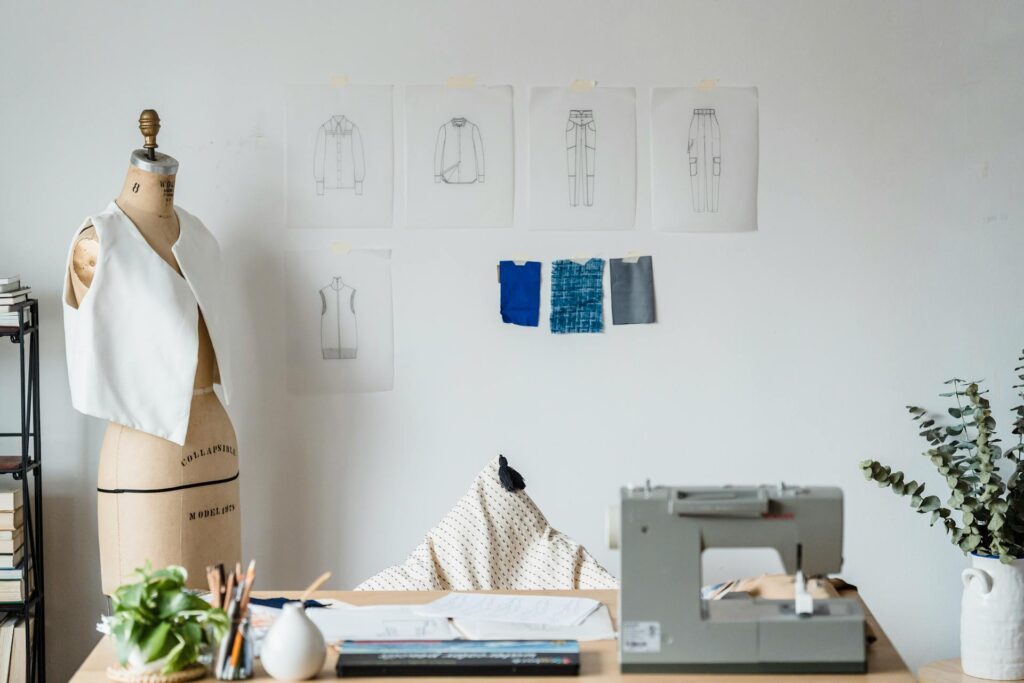
Is your creative sanctuary starting to look more like a fabric avalanche? You’re not alone. Many sewists struggle with cluttered spaces, lost scissors, and the eternal hunt for that one spool of thread. But a disorganized room shouldn’t stand between you and your next project. An organized space reduces frustration, boosts creativity, and makes every step of the process more enjoyable.
This ultimate guide on how to set up a sewing room will walk you through 25 practical and inspiring sewing room ideas to help you maximize storage, stay organized, and finally create the efficient and inspiring craft space you’ve always dreamed of. From detailed sewing room organization ideas to brilliant sewing room ideas for small spaces, get ready to transform your nook into a productivity powerhouse.
Quick Navigation Menu
Sewing Room Organization Ideas
Budget-Friendly Sewing Room Ideas
Sewing Room Furniture and Decor Ideas
Fabric and Thread Storage Ideas
Section 1: Sewing Room Organization Ideas (The Foundation)
The key to a functional space is a place for everything and everything in its place. Start with these foundational sewing room organization ideas to create a system that lasts.
1] Use Clear Storage Bins for Fabric: Opt for clear, airtight plastic bins in uniform sizes. They allow you to see your entire stash at a glance, preventing you from buying duplicates you already own. Stack them neatly on sewing room shelving ideas to protect your fabric from dust, sunlight, and pests.

Pro Tip: Sort your bins by fabric type (e.g., quilting cotton, apparel fabric, fleece) instead of color for even better organization.
2] Label Everything: A label maker is your best friend for DIY sewing room organization. Go beyond just labeling bins. Label the drawers of your sewing cabinet (“Pins & Needles,” “Presser Feet,” “Zippers”), the edges of shelves, and even the power switches for your machines. This saves precious time on every project and helps everyone in the household know where things belong.
3] Utilize Rolling Carts: A multi-tiered rolling cart is a cornerstone of small sewing room storage solutions. It’s incredibly versatile for holding threads, bobbins, scissors, and notions. Its mobility means you can create a portable sewing station anywhere and tuck it away when not in use.
4] Install a Wall-Mounted Pegboard: This is the ultimate DIY sewing room organization hack. Use a standard hardware store pegboard and paint it a color that inspires you. Use a combination of hooks, small shelves, and baskets to hold everything. This approach is a key element of many modern sewing room design ideas, turning functional tool storage into wall art.
Section 2: Small Sewing Room Ideas (Maximize Every Inch)
Short on square footage? You can still have a highly functional setup with these clever small sewing room storage solutions that prioritize flexibility.
5] Choose Folding Tables & Collapsible Furniture: A folding banquet table provides a large, sturdy surface for cutting that can be folded and stored away. This is essential for sewing room ideas for small spaces and multipurpose sewing and craft room ideas where space must serve several functions.
6] Embrace Vertical Storage: Look up! The space from your eye level to the ceiling is prime real estate. Implementing strong sewing room shelving ideas, like installing floating shelves or a tall, narrow bookcase, is crucial for maximizing vertical space.
7] Convert a Closet into a “Cloffice”: This is the holy grail of closet sewing room ideas. Empty out a spare closet and add a desk or countertop at desktop height. Install sturdy shelving above for bins and books. Use the existing rod for hanging fabric. When you’re done, simply close the doors for an instant clean-up.

8] Install a Hidden Ironing Board: Wall-mounted ironing boards that fold down from a cabinet or the wall are ideal small sewing room storage solutions. This ensures your pressing station is there when you need it but doesn’t permanently claim valuable floor space.
Section 3: Sewing Room Layout Ideas (The Workflow Triangle)
A well-thought-out floor plan is crucial for workflow. These sewing room layout ideas focus on how you move between the three main tasks: cutting, sewing, and pressing.
9] The U-Shaped Layout: This is the gold standard for efficiency in sewing room layout ideas. Position your sewing machine on one side, your serger on another, and your cutting table at the base of the “U”. This allows you to simply swivel your chair between machines and only take a few steps to reach your cutting area.
10] Create Dedicated Zones: Even in a small room, mentally (and physically) separate your space into a cutting zone, sewing zone, and pressing zone. This is a fundamental principle for how to set up a sewing room that functions smoothly, preventing fabric from piling up in one spot.
11] Ensure Good Traffic Flow: Leave at least 36-42 inches of space behind your chair so you can push it back and stand up comfortably. This is an important, yet often overlooked, aspect of effective sewing room layout ideas, especially in a multipurpose sewing and craft room.
Section 4: Budget-Friendly Sewing Room Ideas (Style for Less)
Creating your dream space doesn’t have to break the bank. Get creative with these sewing room ideas on a budget.
12] Repurpose IKEA Furniture: IKEA is a sewer’s best friend for sewing room ideas on a budget. The IVAR system, KALLAX shelves, and BEKANT desks are incredibly popular and affordable bases for a DIY sewing room.
13] Build DIY Fabric Shelves with Crates: Wooden or plastic milk crates can be stacked and secured with zip ties to create incredibly sturdy, customizable cubbies. This is a perfect DIY sewing room organization project that costs very little.
14] Shop Second-Hand: Scout thrift stores and online marketplaces for solid wood tables (perfect for cutting), vintage desks with drawers, and comfy chairs. A little sanding and a fresh coat of paint can make them look brand new, which is a core strategy for sewing room ideas on a budget.

Section 5: Sewing Room Furniture and Decor Ideas (Inspire & Comfort)
Your furniture should support your body and your craft, while your decor should spark joy and inspiration. These sewing room furniture ideas blend form and function.
16] Invest in an Adjustable Ergonomic Chair: This is one of the most important sewing room furniture ideas for your long-term health. Look for a chair with good lumbar support, adjustable height, and comfortable padding.
17] Use a Large Cutting Table with Storage: The ideal cutting table is at hip height so you don’t have to bend over. The best ones have storage underneath—shelves for pattern boxes or drawers for batting. This is a central piece of furniture for any modern sewing room design.
18] Make Your Pegboard Both Functional and Decorative: Don’t just stick to plain pegboard. Paint it a vibrant color and arrange your tools for visual appeal. This functional art piece is a key trend in modern sewing room design ideas and will make you smile every time you see it.
Section 6: Fabric and Thread Storage Ideas (Tame Your Stash)
Tame your growing collection with these smart fabric storage ideas for sewing rooms to keep your materials visible, accessible, and protected.
19] Display Threads in Clear Jars: Store spools of thread in clear glass or plastic jars to keep them dust-free. Organizing them by color family makes selecting the perfect thread a breeze and creates a beautiful, rainbow-like display.
20] Use a Hanging Fabric Organizer: Those multi-pocket hanging organizers are perfect fabric storage ideas for sewing rooms. Use them to store smaller cuts of fabric, patterns, or works-in-progress. Hang them on the back of a door or on a garment rack.
21] Implement a Color-Coded Fabric Filing System: Instead of stacking fabric in a pile, fold it neatly to a uniform size and file it on bookshelves like books. Organizing them by color creates a stunning, inspirational wall of fabric that is both practical and beautiful.
Section 7: Sewing Room Lighting Ideas (See the True Colors)
Never strain your eyes again. Proper lighting is non-negotious for accurate work. Here is how to choose the best lighting for sewing rooms.
22] Position Your Workspace Near Natural Light: If possible, set up your sewing machine or cutting table near a north-facing window to take advantage of consistent, diffused natural light.

23] Add Task Lighting: Overhead light alone casts shadows. Use a flexible-arm lamp that can be positioned directly over your sewing machine’s needle and another over your cutting table to completely eliminate shadows. This is a critical element of the best lighting for sewing rooms.
24] Install Overhead Daylight Bulbs: Replace dim or yellow-toned bulbs with bright, white “daylight” LED bulbs (5000-6500 Kelvin). These bulbs mimic natural light, helping you see true colors for perfect matching and providing brilliant, shadow-reducing illumination.
Conclusion: Your Perfect Sewing Room Awaits
Whether you have a large dedicated studio or a small corner of a room, these sewing room ideas can transform your space. This guide on how to set up a sewing room provides a roadmap for everyone, from sewing room ideas for beginners to seasoned pros looking for a refresh. The goal is to create a system that works for you.
Related Reading
20 Essentials for Any Sewing Room Every Beginner Needs
Creating a Cozy Sewing Room on a Budget
7 Tips For Setting Up Your Perfect Sewing Space
Bright & Colorful Sewing Room Ideas for Creative Inspiration
The Ultimate Sewing Room Essentials Checklist